

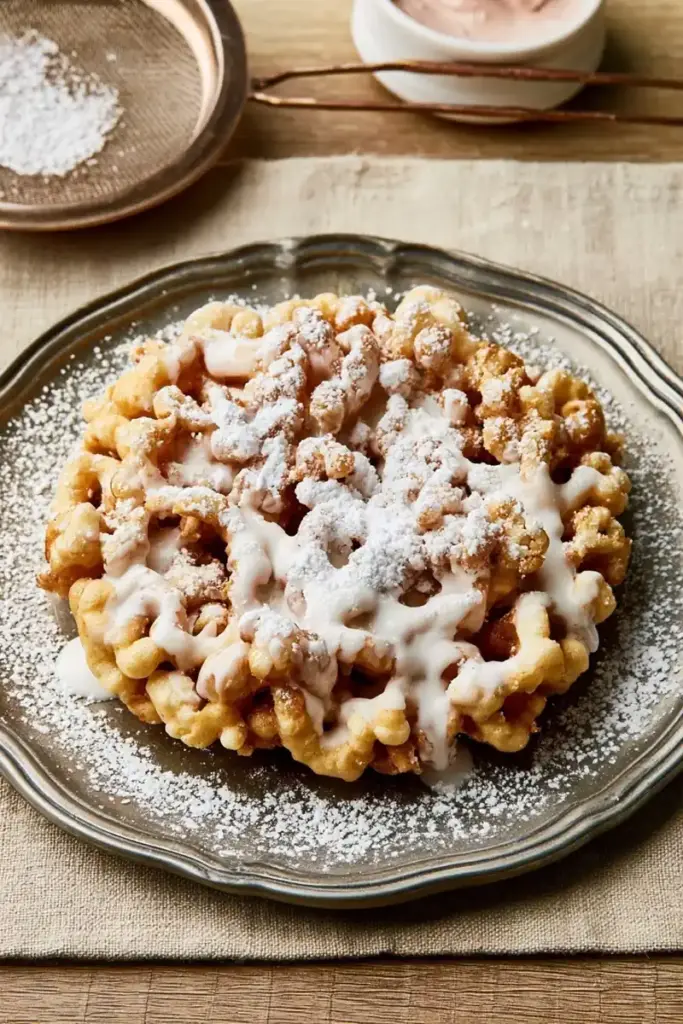
The golden swirls crackle under a blizzard of powdered sugar, releasing a cloud that dances in the summer air. Crisp at the edges, tender within, each bite echoes with the joyful chaos of a county fair—all without leaving your kitchen. Originating in Pennsylvania Dutch communities as “drechderkuche” (fried dough), the modern **funnel cake recipe** evolved into an American carnival staple, perfected at state fairs and amusement parks where aroma draws crowds like a siren’s call. This deep-fried masterpiece isn’t just dessert; it’s edible nostalgia, a celebration of simplicity and indulgence. With roots tracing back to German settlers in the 18th century, it reflects a culinary tradition of transforming pantry basics into joy—flour, eggs, milk, and a hot oil bath create magic. For those seeking comfort in crispy, sugary form, this **funnel cake recipe** delivers authenticity with every bite. Explore more crowd-pleasing classics like our chocolate lava cake, or try an easy dinner solution with one-pan garlic butter chicken. The technique may be rustic, but the experience is unforgettable—best enjoyed fresh, warm, and shared. For a deeper dive into the science of perfect fried dough, check out the comprehensive guide at Serious Eats.
Why You’ll Love funnel cake recipe
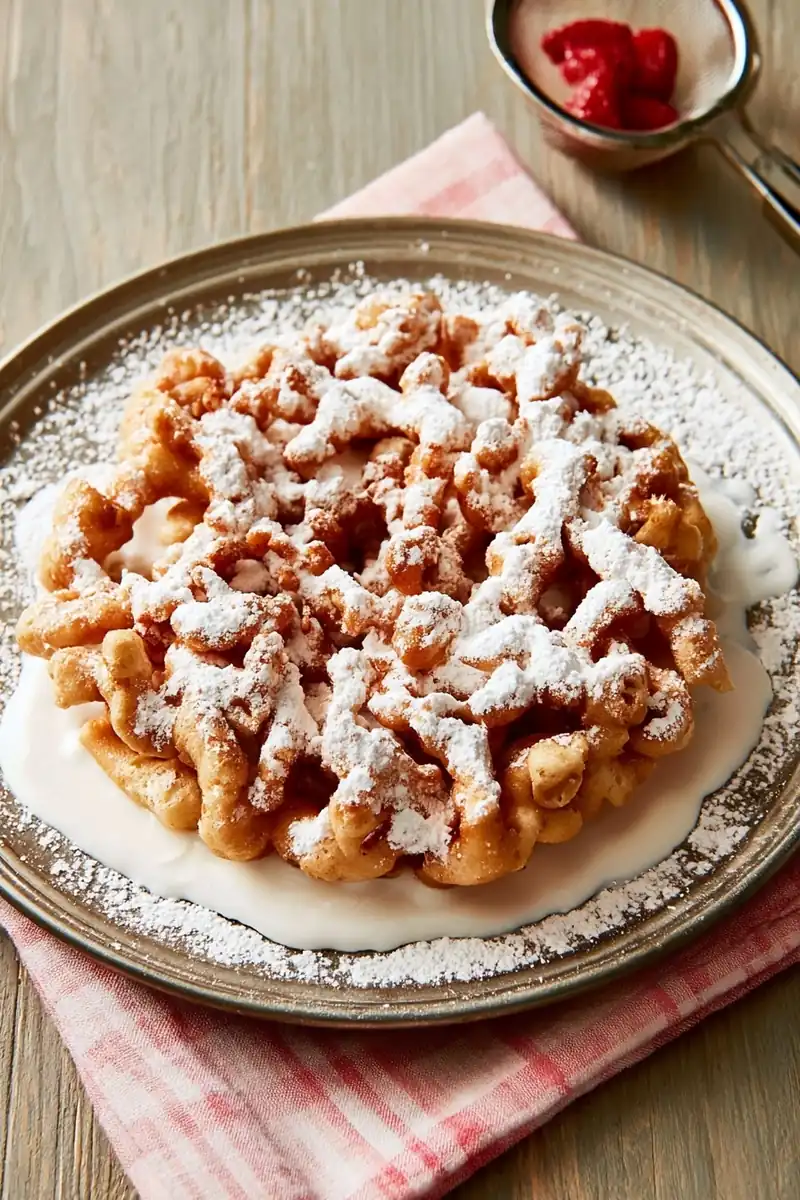
- Fair-Worthy Flavor at Home Achieve the same crispy, golden swirls and melt-in-your-mouth interior as the best carnival versions—no ticket required. With precise frying temperatures (375°F) and a well-balanced batter, this **funnel cake recipe** replicates the authentic texture that’s crunchy outside, airy inside.
- Ready in Under 30 Minutes From mixing bowl to powdered sugar snowstorm, this dessert takes just 25 minutes total. The batter requires no resting time, making it ideal for last-minute cravings or impromptu gatherings.
- Easy Ingredients You Already Have No exotic pantry items—just flour, eggs, milk, butter, sugar, baking powder, and salt. These accessible staples come together into something extraordinary.
- Perfect for Sharing Bring joy to any gathering—this **funnel cake recipe** serves four generously and disappears fast at parties, picnics, or family game nights.
- Versatile Serving Options Customize with berries, chocolate sauce, whipped cream, or fruit compotes. Whether you go classic or gourmet, this canvas of fried perfection adapts beautifully.
- Kid-Friendly Fun Let little ones drizzle toppings and create their own designs—this step-by-step approach turns dessert time into an interactive adventure.
Why You Should Make This funnel cake recipe
Born from Pennsylvania Dutch ingenuity and elevated by American fair culture, this **funnel cake recipe** blends heritage with hedonism. It embodies the spirit of communal eating—meant to be shared, not hoarded. Unlike complex pastries requiring laminated dough or precision tempering, this treat celebrates imperfection: each swirl is unique, each bite a testament to humble ingredients transformed by heat and timing. Nutritionally indulgent yet emotionally essential, it fills a niche that no cake or cookie can match—the crispy-crunchy-sugar high of a perfect fair snack. With origins in 1700s German-American communities, it’s a living artifact of immigrant adaptation, now beloved across North America. Pair it with other homemade classics like grilled corn on the cob or watermelon feta salad for a full summer spread that feels both nostalgic and vibrant.
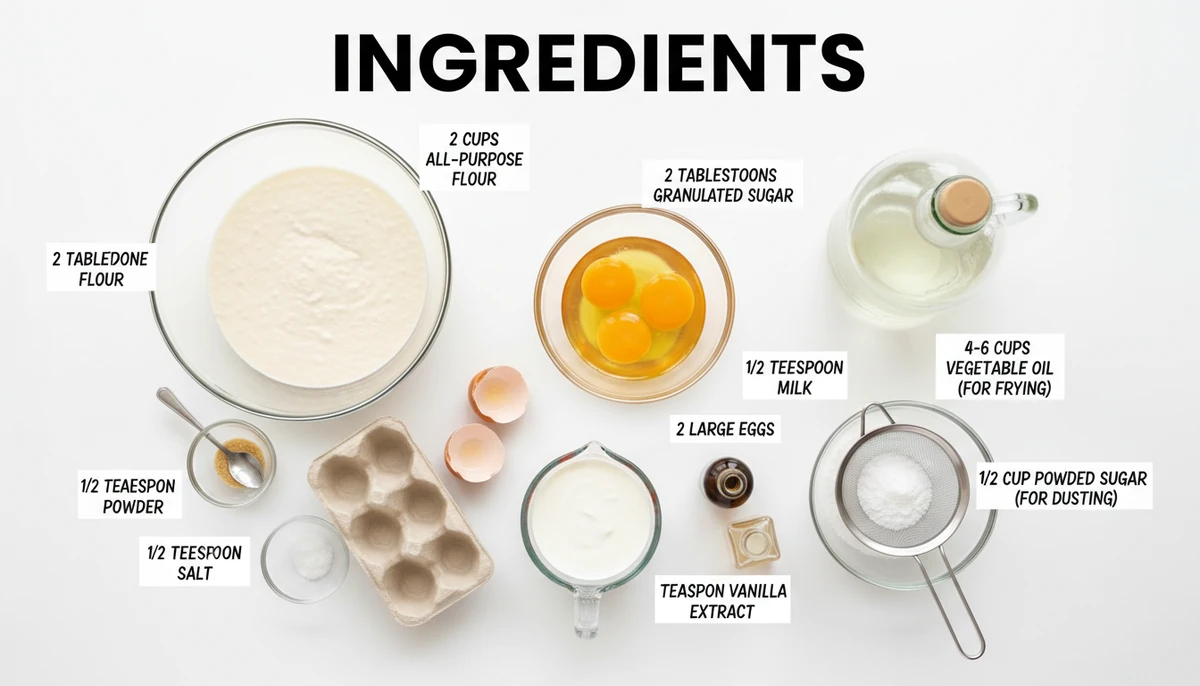
funnel cake recipe Ingredients
Preparation Times
This **funnel cake recipe** fits perfectly into a busy schedule—great for last-minute entertaining. For more quick treats, see our easy breakfast casserole for morning crowds.
How to Make funnel cake recipe
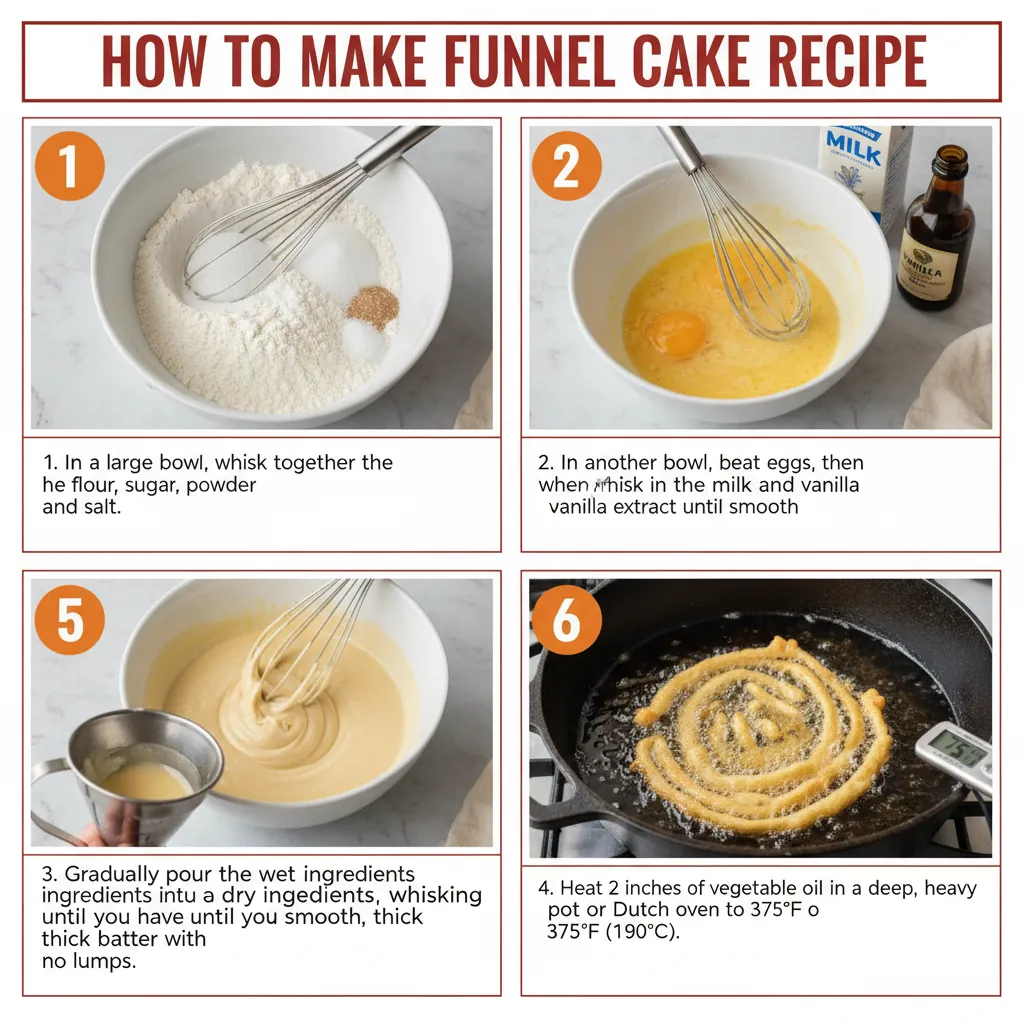
: Mix Dry Ingredients Thoroughly
In a large mixing bowl, whisk together the sifted all-purpose flour, granulated sugar, baking powder, and fine sea salt until no streaks remain. This even distribution ensures consistent rise and texture across each funnel cake. Use a balloon whisk to incorporate air, which helps lighten the final product.
: Combine Wet Ingredients Smoothly
In a separate bowl, beat the room-temperature eggs until lightly frothy. Gradually add the warmed whole milk while continuing to whisk, then stir in the cooled melted butter. This gradual incorporation prevents curdling and emulsifies the fat into the liquid base, creating a silky texture essential for pourability.
: Blend Batter Until Silky
Slowly pour the wet ingredients into the dry mixture, stirring gently with a wooden spoon or silicone spatula until just combined. A few small lumps are acceptable—overmixing develops gluten and results in chewy, tough funnel cakes. The ideal consistency resembles heavy cream: smooth and pourable but not runny.
: Heat Oil to Precise Temperature
Pour 2–3 inches of neutral oil (vegetable, peanut, or canola) into a heavy-bottomed pot or Dutch oven. Heat over medium-high until a deep-fry thermometer reads 375°F. Maintaining this temperature is crucial—too cool, and the cake absorbs oil; too hot, and it burns before cooking through.
: Pour Batter in Spiral Motion
Transfer the batter to a funnel or large measuring cup with a spout. Carefully pour the batter into the hot oil in a continuous, overlapping circular motion, starting from the outside and spiraling inward to create a flat, lacy disc about 8 inches wide. Work swiftly—each cake should take 10–15 seconds to pour.
: Fry Until Golden & Flip Once
Allow the funnel cake to fry for 1.5 to 2 minutes until the underside is deep golden brown and bubbles slow. Carefully flip with tongs or a spider strainer and fry the other side for 1–1.5 minutes until evenly browned. Monitor temperature closely and adjust heat as needed to maintain 365–375°F.
: Dust & Serve Immediately
While still warm, transfer the fried cake to a serving plate and generously sift confectioners’ sugar over the top using a fine-mesh sieve. The heat helps the sugar adhere slightly, enhancing sweetness with each bite. Serve immediately for peak crispness.
Nutritional Details
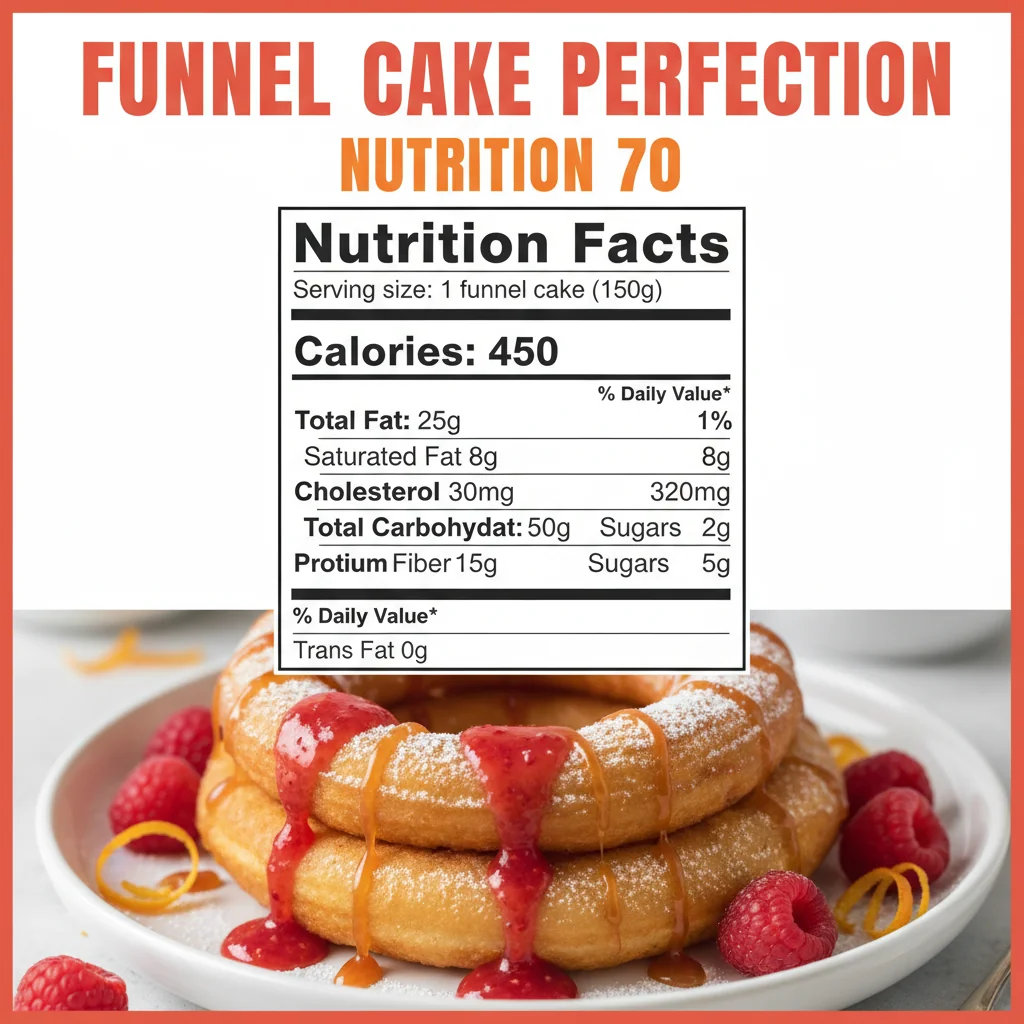
Values based on USDA FoodData Central calculations for one 1/4 batch (including oil absorption). For accurate tracking, consider oil type and frying duration. More deep-fried insights at Sugar Spun Run.
Healthier Options
For more nutritious swaps, explore no-bake chocolate cheesecake recipe with alternative sweeteners.
Serving Ideas
Traditionally, funnel cakes appear at fairs and festivals dusted simply with confectioners’ sugar—a minimalist approach that lets the crisp, eggy flavor shine. In Pennsylvania Dutch settings, they might even be served savory with gravy, though the sweet version dominates modern culture. Today, creativity reigns: drizzle with chocolate sauce, caramel, or fruit jams, then crown with fresh berries, whipped cream, or even a scoop of vanilla ice cream for a deconstructed sundae. For a festive twist, add edible glitter or rainbow sprinkles for kids’ parties.
Elevate your **funnel cake recipe** for special occasions—top with macerated strawberries and a balsamic glaze for an upscale picnic dessert, or pair with a sparkling rosé for brunch. It also complements savory spreads: serve alongside best cheeseburger with secret sauce for a retro diner theme, or bring to a summer cookout with grilled corn on the cob and caprese skewers. Kids love building their own with DIY topping bars—set out small bowls of Nutella, banana slices, crushed peanuts, and marshmallow fluff for endless combinations.
Mistakes to Avoid
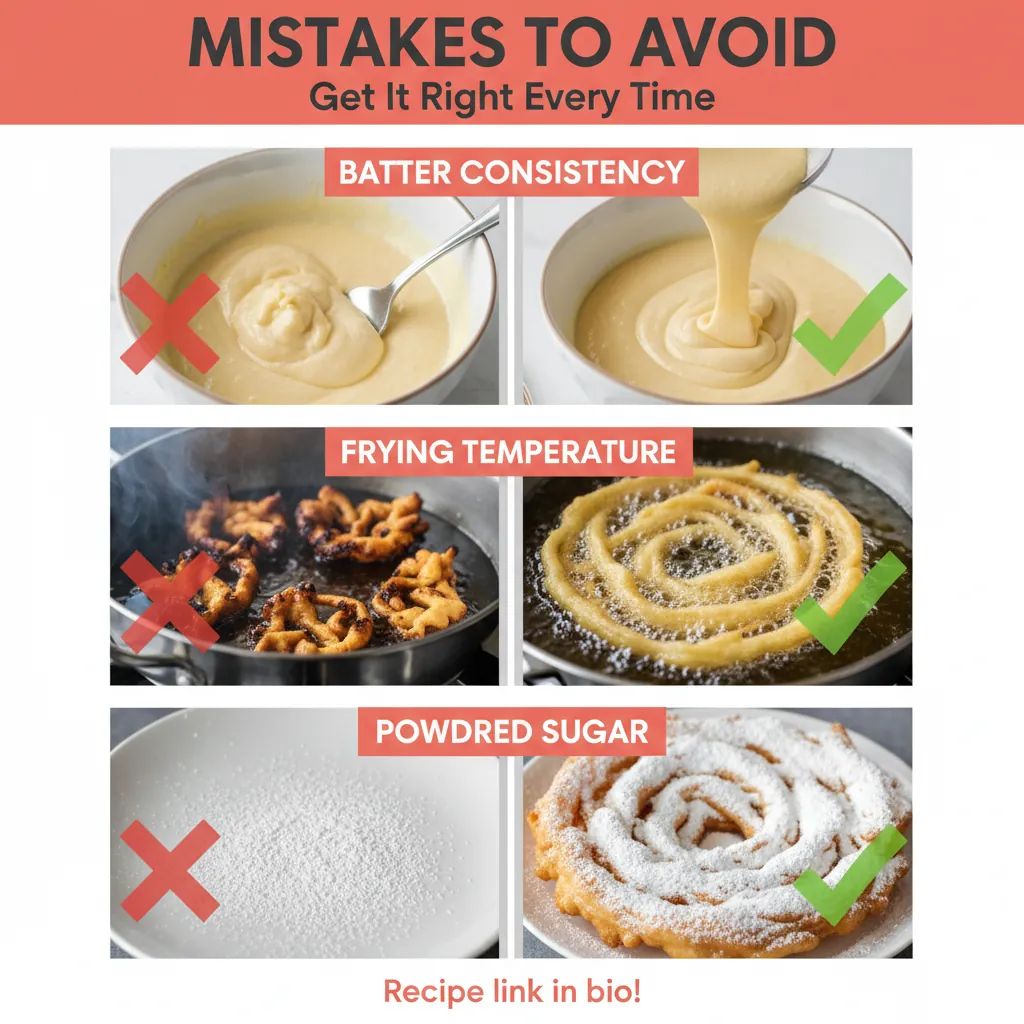
One of the most common preparation errors is overmixing the batter. Vigorous stirring activates gluten in the flour, leading to dense, rubbery funnel cakes instead of light, lacy ones. Always mix until just combined—small lumps are acceptable and will cook out. Another pitfall is skipping the sifting step; clumps of baking powder or flour result in uneven rising and unpleasant texture. Allow the batter to rest briefly after mixing, but don’t refrigerate it unless adapting for later use.
Cooking technique errors often involve oil temperature. Frying below 365°F causes excessive oil absorption, leaving the cake greasy and soggy. Conversely, oil above 385°F can burn the exterior before the center sets. Use a reliable deep-fry thermometer and adjust heat as needed. Pouring too slowly or stopping mid-spiral creates thick clumps that don’t cook evenly. Practice the continuous spiral motion beforehand using water in a bowl to build confidence. Don’t overcrowd the pot—fry one cake at a time for consistent heat.
Seasoning and finishing missteps include under-seasoning the batter and neglecting the final powder sugar moment. While the dessert is inherently sweet, the balance of salt and sugar in the batter enhances overall flavor depth. Also, applying powdered sugar too early (while the cake is too hot) causes it to melt into the surface; wait 30 seconds for optimal adherence. Avoid pressing down during frying—it disrupts the delicate web-like structure. For detailed troubleshooting, refer to Serious Eats’ funnel cake breakdown.
Storage Tips
Funnel cakes are best enjoyed immediately after frying, when their crispness peaks. If refrigerated, they lose texture rapidly due to moisture absorption and become chewy or stale within hours. To retain quality, allow leftovers to cool completely, then store in an airtight container with layers separated by parchment paper. Consume within 6–8 hours for acceptable texture, though reheating rarely restores original crunch.
Freezing is possible but not ideal. Wrap cooled cakes tightly in plastic wrap and place in a freezer-safe bag. Freeze for up to 1 month. To reheat, bake in a 350°F oven for 5–7 minutes—avoid microwaving, which turns them gummy. While they won’t regain full crispness, baking can revive some structure. For best results, fry fresh and serve immediately—even reheated, they pale in comparison to the original experience.
Meal prepping funnel cake batter is feasible: mix and store in a sealed container in the refrigerator for up to 24 hours. Bring to room temperature before frying and give a gentle stir—do not re-whisk vigorously. This method works well for morning fairs or brunch events. For more make-ahead dessert strategies, see berry chantilly cake recipe, which holds beautifully overnight.
A Few Other Recipes To Try:
Can I make funnel cake without a funnel?
Yes! Use a large measuring cup with a spout, a plastic zip-top bag with one corner snipped, or a piping bag. Any vessel with a narrow opening works for creating the signature spiral pattern. For more kitchen hacks, see our garlic confit recipe.
Why is my funnel cake soggy?
Sogginess usually results from oil temperature being too low (below 365°F), causing the cake to absorb excess oil. Ensure proper heat with a thermometer and avoid overcrowding the pot. Also, draining on paper towels instead of a wire rack traps steam and softens the crust.
How do you keep funnel cake crispy?
Serve immediately after frying and drain on a wire rack to allow airflow. Avoid stacking or covering, which traps moisture. If reheating, use an oven or air fryer at 350°F for 3–5 minutes rather than a microwave.
Can you make funnel cake ahead of time?
While best fresh, you can prepare the batter up to 24 hours in advance and store it covered in the refrigerator. Bring to room temperature and stir gently before using. Fully cooked cakes lose crispness quickly and don’t reheat well.
What oil is best for frying funnel cake?
Neutral oils with high smoke points—peanut, canola, or vegetable oil—are ideal. They withstand 375°F without burning or imparting off-flavors. Avoid extra virgin olive oil or butter for deep frying.
There’s something almost magical about the transformation of simple batter into a golden, latticed masterpiece—crispy at the edges, tender within, crowned with a blizzard of sugar. This **funnel cake recipe** isn’t just food; it’s joy fried to perfection. Rooted in Pennsylvania Dutch tradition and amplified by American fair culture, it’s a dessert that transcends generations. Whether you’re reliving childhood memories or creating new ones, each bite carries the warmth of shared moments. Don’t stop here—explore more global delights like our chicken tikka masala or a refreshing watermelon feta salad to complete your menu.
📚 Read More Delicious Ideas
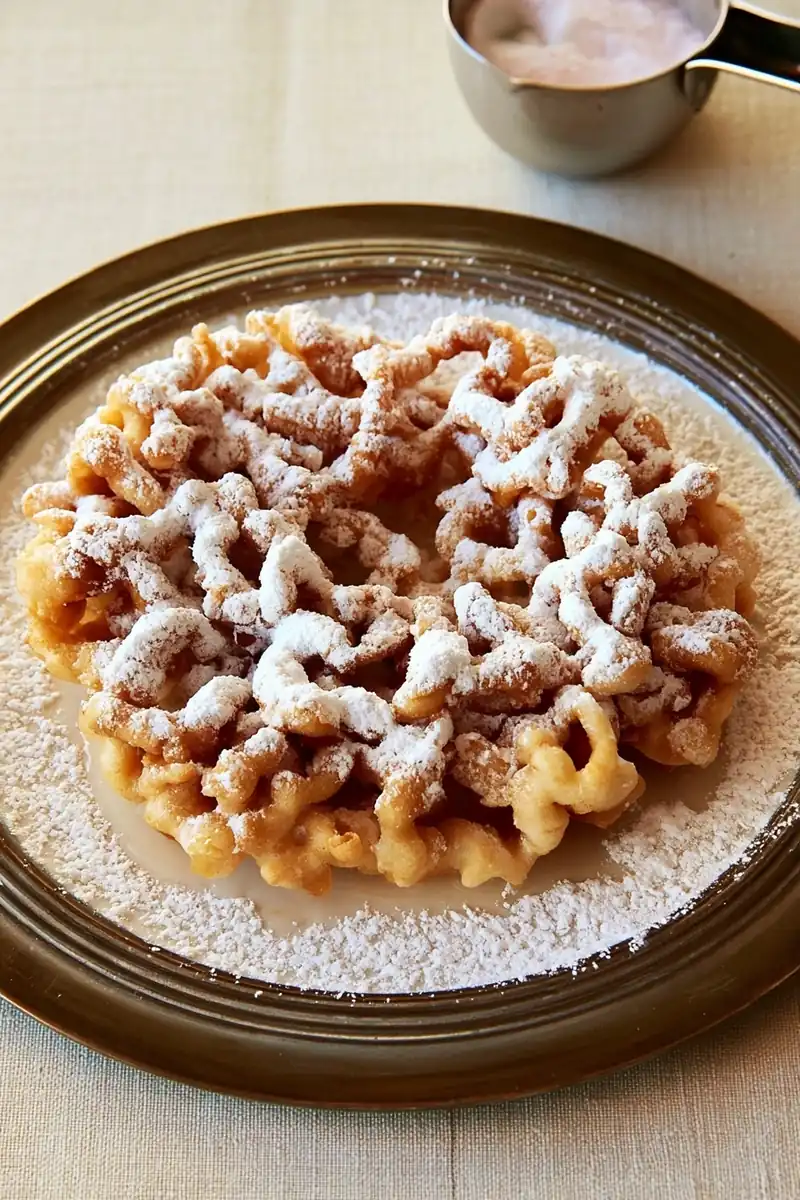

Easy Homemade Funnel Cake Recipe (Just Like the Fair)
Ingredients
Equipment
Method
- In a large bowl, whisk together the sifted all-purpose flour, granulated sugar, baking powder, and fine sea salt until fully combined and no streaks remain. Sifting ensures a lump-free, aerated base for the lightest texture.
- In a separate bowl, beat the room-temperature eggs until light and frothy. Gradually add the warmed whole milk while whisking, then stir in the cooled melted butter until smooth and emulsified. This prevents curdling and creates a silky wet mixture.
- Slowly pour the wet ingredients into the dry ingredients, stirring gently with a silicone spatula or wooden spoon until just combined. A few small lumps are acceptable; overmixing develops gluten and leads to a chewy funnel cake. Let the batter rest for 5 minutes to hydrate fully.
- Pour 2–3 inches of neutral oil (vegetable, peanut, or canola) into a heavy pot and heat over medium-high until a deep-fry thermometer reads 375°F. Maintain this temperature throughout frying for optimal browning and crispness without greasiness.
- Transfer the batter to a funnel, large measuring cup with a spout, or piping bag. Carefully pour the batter into the hot oil in a continuous spiral motion—start from the outside edge and swirl inward—creating an 8-inch round. Work swiftly to maintain even thickness.
- Fry the funnel cake for 1.5 to 2 minutes until deep golden brown and bubbles have slowed. Flip with tongs or a spider strainer and fry the other side for 1–1.5 minutes until evenly browned. Drain on a wire rack over paper towels to preserve crispness on both sides.