

The sizzle of golden-brown pork cutlets hitting hot oil, the rich umami aroma of simmering tonkatsu sauce, and the comforting embrace of steamed jasmine rice—this tonkatsu rice bowl recipe brings a beloved Japanese diner favorite straight to your kitchen. Originating in early 20th-century Tokyo as a fusion of Western-style cutlets and Japanese ingenuity, tonkatsu evolved into katsu donburi—a humble bowl dish that transforms leftover cutlets into something extraordinary. The magic lies in the contrast: crispy, tender pork resting over soft rice, draped in a glossy, slightly sweet, and deeply savory sauce that clings perfectly to every grain.
This one-pan meal bridges tradition and practicality, delivering restaurant-quality results without complicated techniques. Authenticity meets accessibility here, using common ingredients while honoring the dish’s roots. For an in-depth look at its history and variations, check out Serious Eats’ deep dive into katsudon, a close cousin to our version. Whether you’re new to Japanese comfort food or revisiting a favorite, this tonkatsu rice bowl recipe promises bold flavor, satisfying texture, and heartwarming nostalgia in every bite.
Why You’ll Love tonkatsu rice bowl recipe
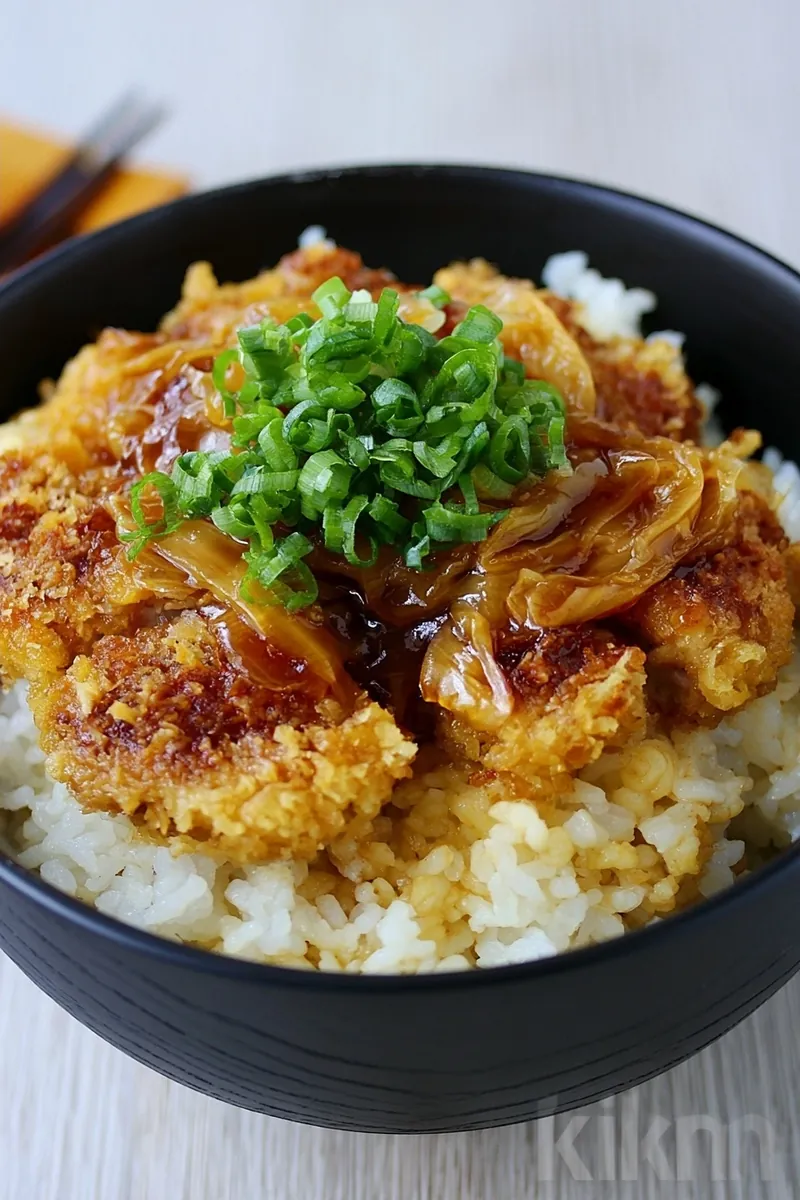
- Restaurant-Quality Crispiness With double breading in panko and a hot oil temperature of 350°F (175°C), you achieve a light, crackling crust that stays crisp even under warm sauce.
- Balanced Umami Sauce Made from scratch using dashi, soy sauce, mirin, and sugar, the sauce delivers authentic depth without being overly sweet or salty—just like in Japan.
- Effortless One-Pan Assembly Once the cutlet is fried, the sauce and toppings come together in one skillet, minimizing cleanup and maximizing flavor.
- Meal Prep Friendly Perfect for weekly planning, components can be prepped ahead and assembled fresh for busy weeknights.
- Authentic Yet Accessible All ingredients are easy to find or substitute, while still delivering a genuinely traditional taste experience.
- Kids and Adults Agree step-by-step approach ensures anyone can master it, from teens learning to cook to experienced home chefs.
Why You Should Make This tonkatsu rice bowl recipe
Despite its gourmet appeal, this tonkatsu rice bowl recipe comes together in under 45 minutes with just two pans and minimal active prep. The double breading technique—flour, egg, then panko—originally adapted from French cuisine during Japan’s Meiji era, creates a uniquely airy crunch that defines the dish. Modern versions often skip the authenticity, but this recipe stays true to form, delivering the same texture found in Tokyo’s best lunch counters. According to the USDA, pork provides 22g of high-quality protein per 3-ounce serving, making it ideal for muscle maintenance and satiety. The dish also balances carbohydrates and fats for sustained energy, especially when served with steamed vegetables or a side salad like this refreshing watermelon feta salad to cut through the richness.
tonkatsu rice bowl recipe Ingredients
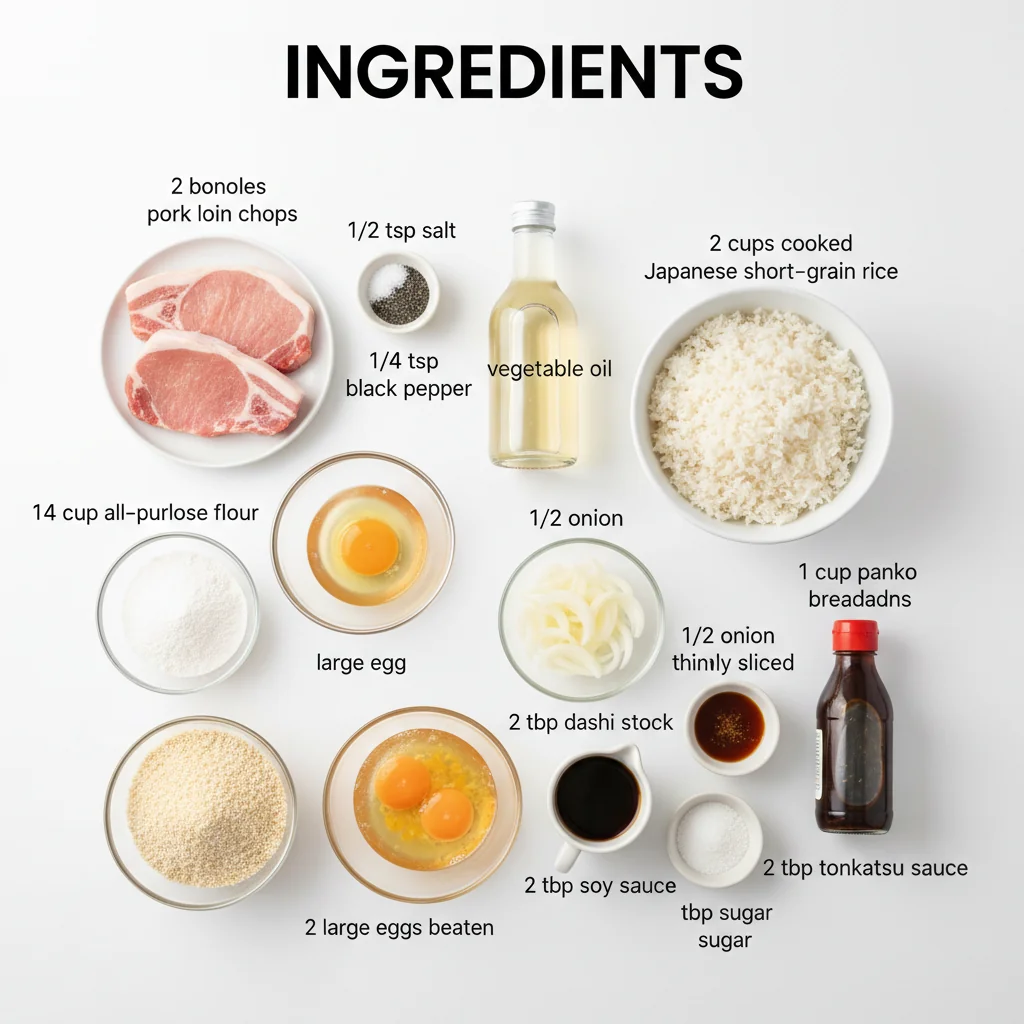
Preparation Times
Perfect for summer dinners when ingredients are at their peak.
How to Make tonkatsu rice bowl recipe
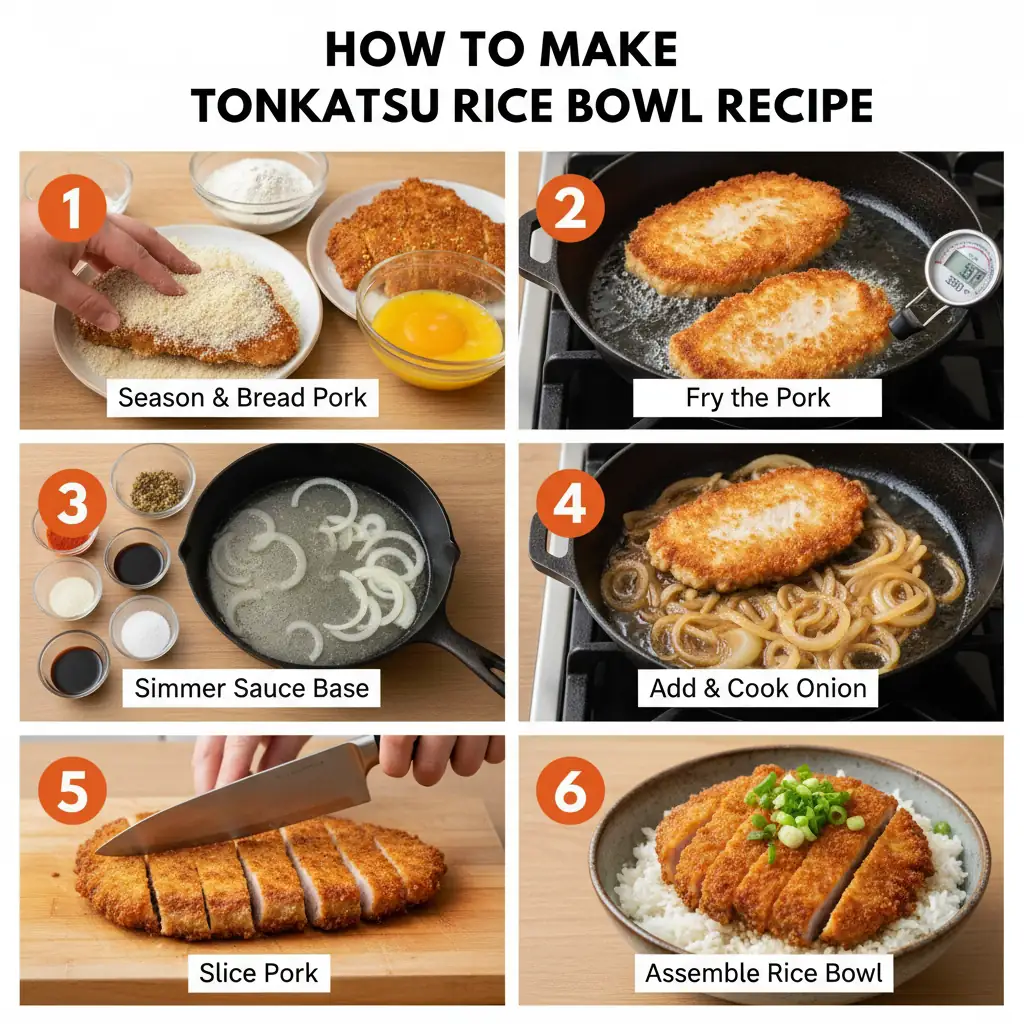
: Prep and Season the Pork Cutlets
Place each pork loin cutlet between two sheets of plastic wrap and gently pound to ¼-inch thickness using a meat mallet or heavy skillet. This ensures even cooking and a tender bite. Season both sides with salt and pepper, then let rest for 5 minutes to absorb the seasoning.
: Dredge with Flour, Egg, and Panko
Set up a breading station with three shallow bowls: one with flour, one with beaten eggs (mixed with 1 tbsp water), and one with panko. Dredge each cutlet first in flour, shaking off excess, then dip into egg, allowing any excess to drip off, and finally press firmly into panko to coat completely. The panko should adhere in a thick, even layer.
: Fry the Cutlets to Golden Crispness
In a heavy-bottomed skillet or Dutch oven, heat vegetable oil to 350°F (175°C). Carefully add one cutlet and fry for 3–4 minutes per side, flipping once, until deeply golden brown and internal temperature reaches 145°F (63°C). Drain on a wire rack set over paper towels to preserve crispness. Repeat with the second cutlet.
: Make the Tonkatsu Sauce
In the same skillet (wiping out excess oil if needed), heat 1 tbsp vegetable oil over medium heat. Add the dashi, soy sauce, brown sugar, and mirin. Stir until sugar dissolves and sauce begins to simmer. Simmer gently for 3–4 minutes until slightly thickened but still fluid. Taste and adjust with a pinch more sugar or soy sauce if needed.
: Assemble the Rice Bowls
Slice the fried tonkatsu into ½-inch strips. Place a generous scoop of warm steamed rice into each serving bowl. Arrange the pork slices over the rice, then ladle the warm sauce evenly over the top. The sauce should glisten but not flood the bowl.
: Garnish and Serve
Top each bowl with a small mound of shredded cabbage, a sprinkle of sliced scallions, and an optional extra drizzle of tonkatsu sauce. Serve hot with chopsticks and a spoon, encouraging the diner to mix gently before eating.
Nutritional Details
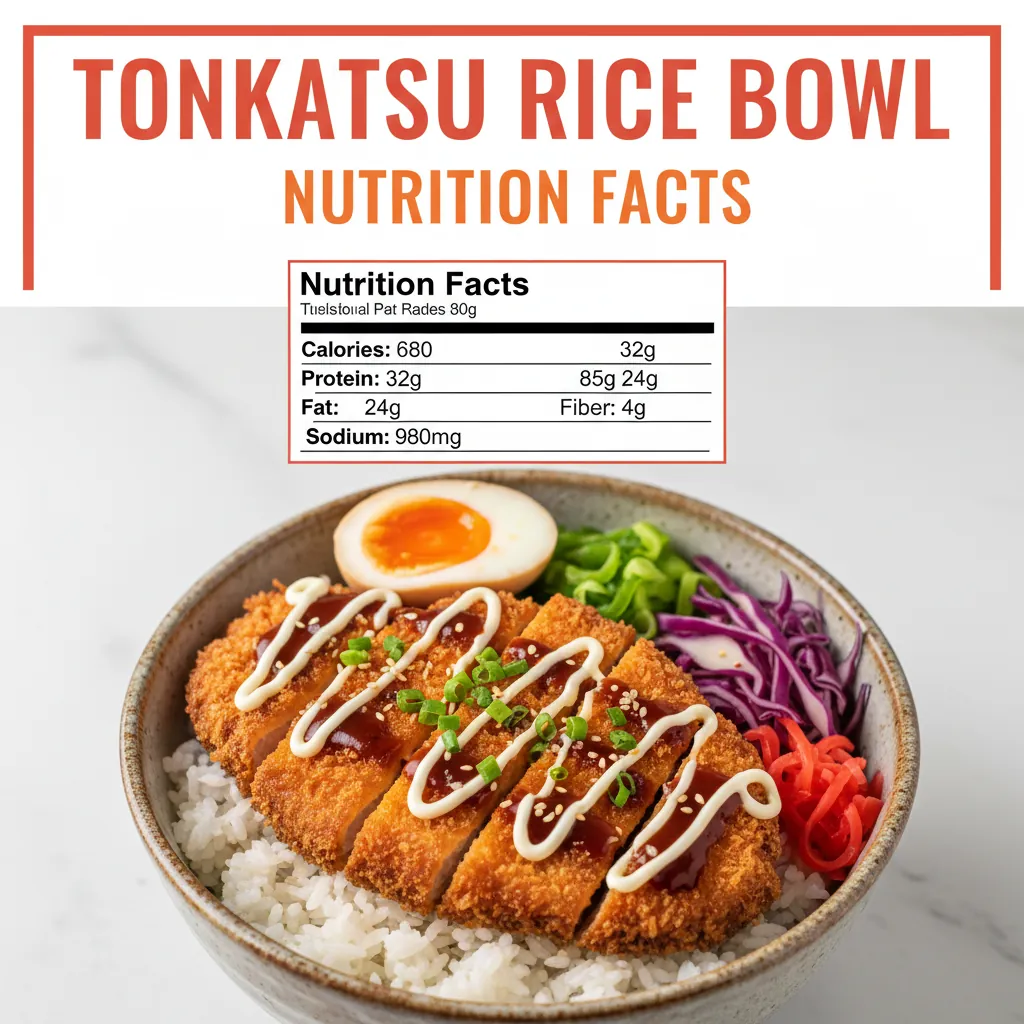
Source: USDA FoodData Central for combined ingredients in recipe yields. Exact values may vary based on substitutions. For detailed nutritional analysis of Japanese-style dishes, refer to Gypsy Plate’s katsudon breakdown.
Healthier Options
These swaps can reduce calories by up to 200 per serving while boosting fiber and nutrient density. For more easy health-conscious meals, explore nutrient-packed salads to pair as sides.
Serving Ideas
In Japan, katsudon (a close relative of this tonkatsu rice bowl recipe) is typically enjoyed in casual lunch counters called *sushi-ya* or *teishoku-ya*, where it’s served with miso soup, pickles, and a small salad. The dish is designed for comfort—one spoonful should combine rice, pork, sauce, and a hint of cabbage. Traditionally eaten with chopsticks and a spoon, it’s meant to be mixed slightly at the table to meld flavors.
For modern twists, try pairing your bowl with kimchi for a Japanese-Korean fusion, or adding a soft-poached egg for a creamy finish. It fits perfectly into weeknight menus, impresses guests at casual dinner parties, and even works at picnics when packed properly. Serve alongside caprese skewers for a colorful, refreshing contrast to the rich pork.
Mistakes to Avoid
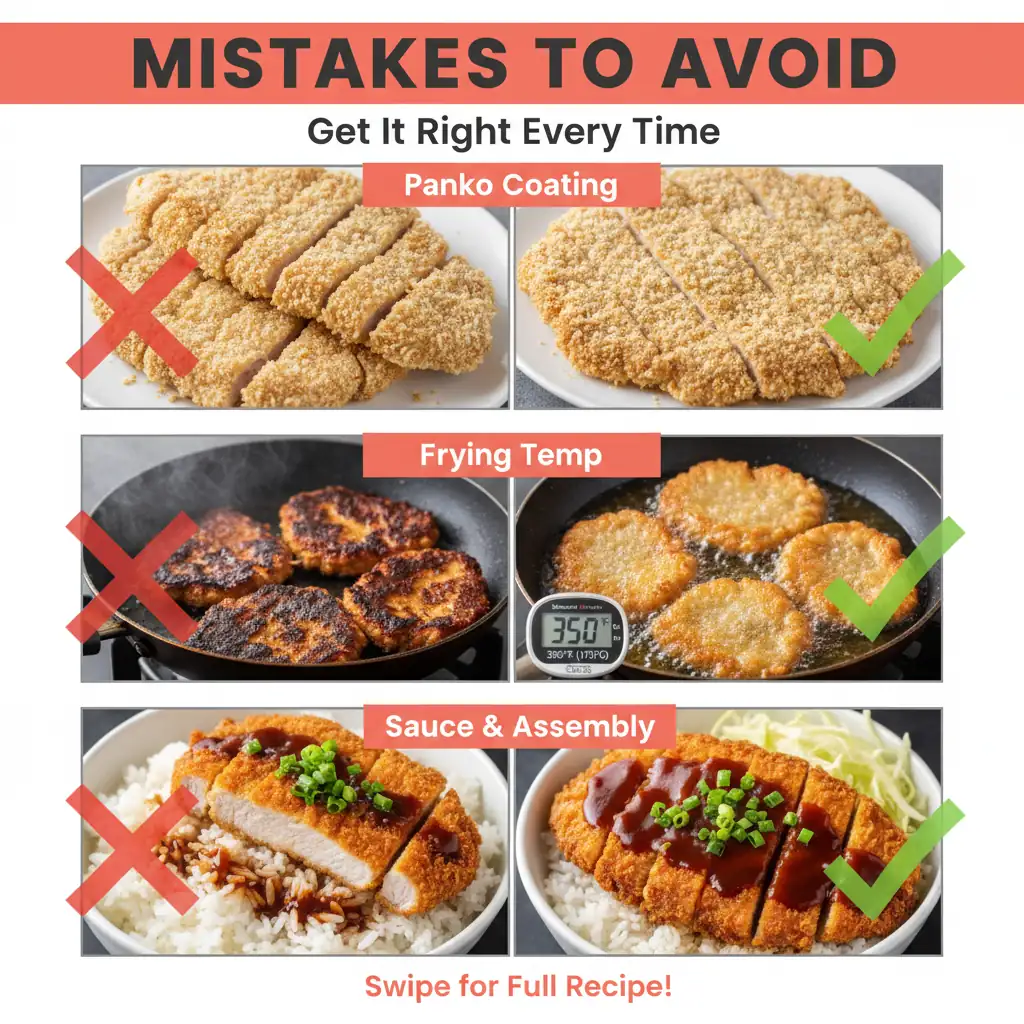
Using cold ingredients is a common preparation mistake. Cold eggs straight from the fridge won’t coat the meat evenly, and cold pork going into hot oil can cause splattering and uneven cooking. Always let pork and eggs come to room temperature for 15–20 minutes before breading. Also, skipping the dashi in the sauce is a major flavor error—it’s what separates authentic tonkatsu sauce from generic stir-fry glaze.
A key cooking technique error is overcrowding the pan or frying at the wrong temperature. Adding both cutlets at once drops the oil temperature drastically, leading to greasy, soggy tonkatsu. Fry one at a time in small batches, maintaining 350°F (175°C), and allow the oil to reheat between batches. Never cover the skillet—you want evaporation to keep the crust crisp.
Over-seasoning or over-reducing the sauce leads to overly salty or cloyingly sweet results. Taste as you go and remember the sauce will concentrate slightly as it sits. Finish with a light garnish—too much cabbage or sauce drowns the delicate balance. For troubleshooting tips, consult Gypsy Plate’s troubleshooting guide on rescuing common tonkatsu pitfalls.
Storage Tips
Store components separately for best results. Fried cutlets can be refrigerated in an airtight container for up to 2 days. The sauce keeps well for 3–4 days in a sealed jar. Reheat cutlets in an air fryer at 375°F (190°C) for 3–4 minutes to restore crispness; microwaving makes them soggy. Rice should be cooled quickly and stored for no more than 24 hours to avoid bacterial growth.
Freezing is possible but not ideal for texture. If needed, freeze uncooked breaded cutlets on a tray, then bag for up to 1 month. Cook from frozen—add 1–2 minutes to frying time. Sauce can be frozen in ice cube trays and thawed as needed. Avoid freezing assembled bowls; the pork loses its crunch entirely upon thawing.
For meal prep, cook and store rice, sauce, and pork separately. Assemble bowls fresh each evening for up to 3 days. This approach keeps textures sharp and flavors vibrant. Keep shredded cabbage on hand for quick garnish—store in a damp paper towel in a sealed container for up to 5 days. Pair with make-ahead breakfasts for effortless weekday cooking.
A Few Other Recipes To Try:
Can I bake tonkatsu instead of frying it?
Yes, though the texture will be different. For a baked version, coat the pork as directed, place on a greased wire rack over a baking sheet, and bake at 400°F (200°C) for 20–25 minutes, flipping halfway. Spray lightly with oil before baking to encourage browning. While not as crispy as deep-fried, it’s a lighter alternative. For more baked comfort dishes, try our easy ground beef recipes.
What’s the difference between katsudon and this tonkatsu rice bowl recipe?
Katsudon typically includes a simmered egg mixture that partially coats the pork and rice, creating a custardy layer. This tonkatsu rice bowl recipe skips the egg poaching and focuses on the crispy cutlet and savory sauce, making it simpler and faster to prepare while still delivering bold flavor.
Can I make this ahead for meal prep?
Absolutely. Cook and bread the cutlets, then refrigerate unbaked or uncooked. Fry just before serving to maintain crispness. Pre-cook rice and sauce and store separately. Assemble fresh daily. This method works well for busy schedules and ensures each bowl tastes just-made.
There’s something deeply satisfying about a dish that honors tradition yet fits seamlessly into modern life. This tonkatsu rice bowl recipe pays tribute to Japan’s genius for turning simple ingredients into soulful meals, all while being approachable for today’s home cooks. Whether you’re seeking comfort, craving crunch, or exploring global flavors, this bowl delivers with every bite. Don’t stop here—dive into more globally inspired dishes like this chipotle steak rice bowls for a Tex-Mex twist.
📚 Read More Delicious Ideas
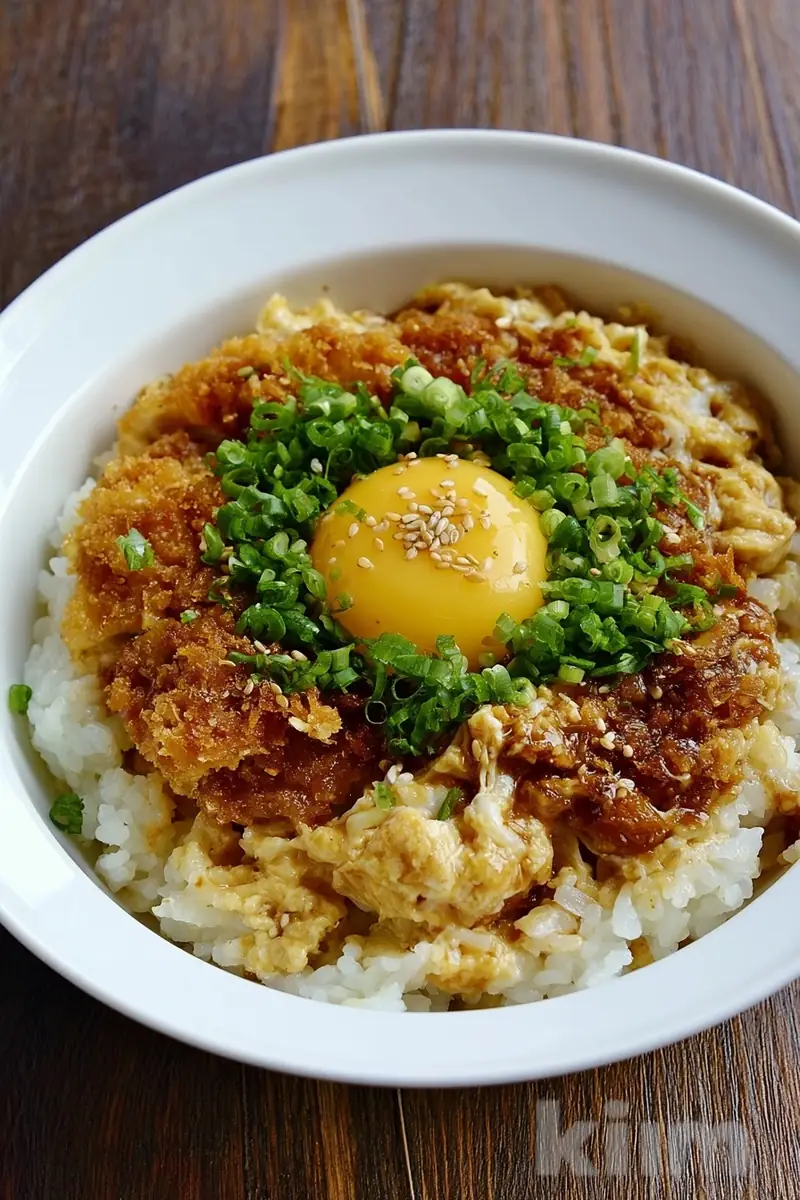

Easy Tonkatsu Rice Bowl Recipe (Katsu Donburi)
Ingredients
Equipment
Method
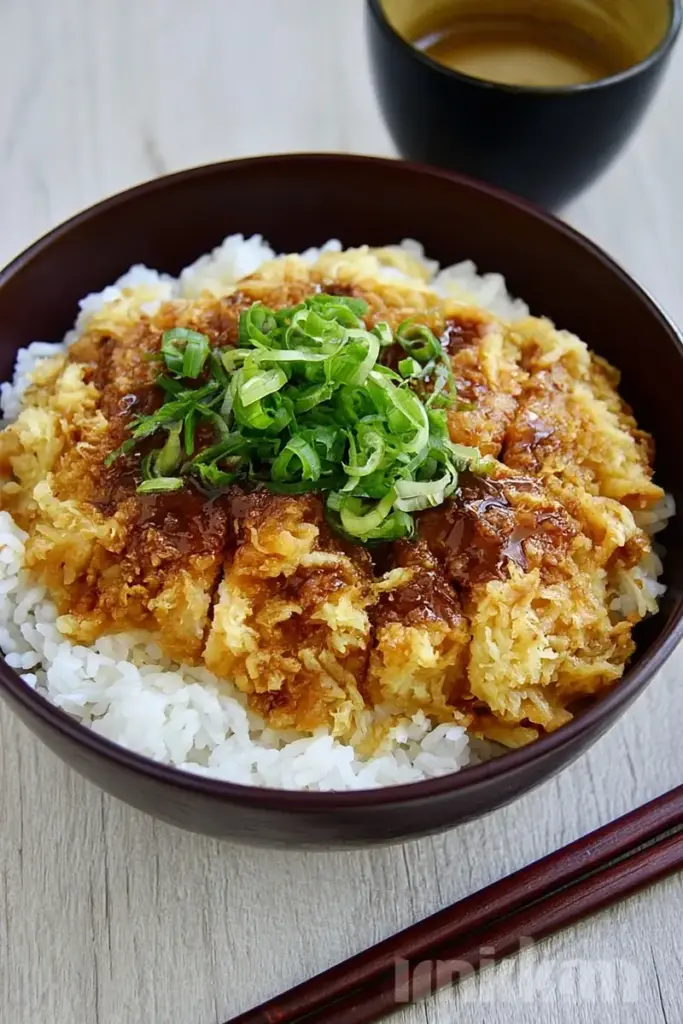
- Prepare the pork cutlets by placing each between plastic wrap and gently pounding to ¼-inch thickness. Season both sides with salt and pepper and let rest for 5 minutes.
- Set up a breading station: place flour in one bowl, beaten eggs (with 1 tbsp water) in a second, and panko in a third. Dredge each cutlet in flour, shaking off excess, then dip into egg, and press firmly into panko to coat completely.
- Heat vegetable oil in a skillet to 350°F (175°C). Fry each cutlet one at a time for 3–4 minutes per side until golden brown and internal temperature reaches 145°F (63°C). Drain on a wire rack.
- In the same skillet, heat 1 tbsp oil over medium. Add dashi, soy sauce, brown sugar, and mirin. Simmer for 3–4 minutes until slightly thickened.
- Slice tonkatsu into ½-inch strips. Place warm rice in bowls, top with pork, and ladle sauce over.
- Garnish with shredded cabbage and green onions. Serve immediately while hot and crispy.